The Complete Guide to Colon Cleanses: Benefits, Methods, Safety, and Natural Support
Guide to Colon Cleanses
Colon cleanses have become one of the most searched topics in digestive wellness. From herbal supplements and detox drinks to high-fiber meal plans, countless products promise to help you feel lighter, improve digestion, and support your body’s natural cleansing processes.
But what exactly are colon cleanses?
Do they really work?
Are they necessary?
And what does science say about supporting a healthy digestive system?
This complete guide answers the most common questions while providing practical information that can help you make informed decisions about your digestive health.
What Is a Colon Cleanse?
A colon cleanse is any program, supplement, diet, or practice designed to support the removal of waste from the large intestine and promote digestive regularity.
People often choose colon cleanses because they want to:
- Reduce occasional bloating
- Support healthy bowel movements
- Increase fiber intake
- Improve digestive comfort
- Reset eating habits
- Begin a healthier lifestyle
Colon cleanses vary significantly in their approach. Some focus on nutrition and hydration while others rely on supplements or specialized procedures.
Understanding the Colon
The colon, also known as the large intestine, is one of the most important parts of the digestive system.
Its primary functions include:
- Absorbing water
- Processing dietary fiber
- Housing beneficial gut bacteria
- Producing certain vitamins
- Forming and eliminating stool
A healthy colon contributes to efficient digestion and overall wellness.
How Your Body Naturally Eliminates Waste
One of the biggest misconceptions about colon cleanses is that the body cannot remove waste on its own.
In reality, the body has several highly effective systems that work continuously.
The liver processes nutrients and metabolizes substances.
The kidneys filter waste products from the bloodstream.
The digestive system eliminates solid waste through normal bowel movements.
The lungs remove carbon dioxide.
The skin helps regulate temperature through perspiration.
Rather than replacing these systems, healthy lifestyle choices help support their normal function.
Different Types of Colon Cleanses
Natural Colon Cleanses
Natural colon cleanses focus on improving daily habits instead of using aggressive products.
They typically include:
- High-fiber foods
- Fresh fruits
- Vegetables
- Whole grains
- Water
- Regular exercise
This approach supports digestive health while encouraging long-term wellness.
Fiber-Based Colon Cleanses
Fiber plays an essential role in healthy digestion.
Increasing fiber intake can help promote regular bowel movements and support beneficial gut bacteria.
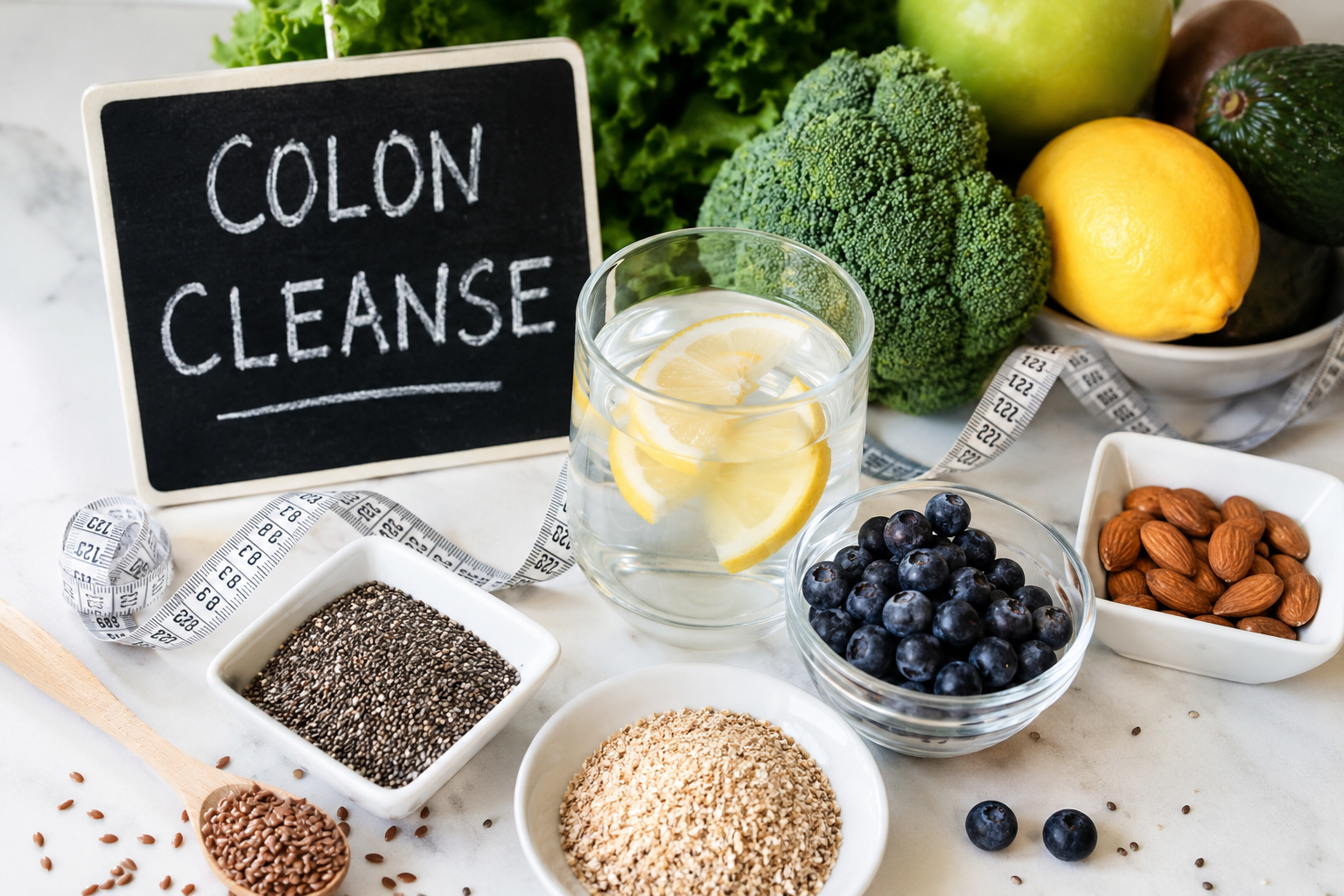
Popular fiber sources include:
- Psyllium husk
- Chia seeds
- Flaxseed
- Oats
- Apples
- Beans
- Lentils
Adding fiber gradually while increasing water intake helps minimize digestive discomfort.
Herbal Colon Cleanses
Many supplements contain herbs traditionally used to support digestion.
Common ingredients include:
- Senna
- Aloe vera
- Cascara sagrada
- Ginger
- Peppermint
- Fennel
Because herbal ingredients can affect individuals differently, it is important to follow product instructions and consult a healthcare professional when appropriate.
Colon Hydrotherapy
Colon hydrotherapy uses filtered water to flush the large intestine through specialized equipment administered by trained practitioners.
While some individuals report feeling refreshed afterward, routine colon hydrotherapy is not considered necessary for healthy people.
Why People Choose Colon Cleanses
People often begin researching colon cleanses after experiencing occasional digestive discomfort.
Common reasons include:
- Feeling bloated
- Occasional constipation
- Heavy feeling after meals
- Low fiber intake
- Poor eating habits
- Returning from vacation
- Starting a healthier lifestyle
Many individuals find that improving nutrition and hydration provides significant digestive benefits.
Potential Benefits of Colon Cleanses
A healthy colon cleanse program may encourage positive habits such as:
- Eating more vegetables
- Drinking more water
- Increasing fiber intake
- Reducing processed foods
- Becoming more mindful about nutrition
Many people report feeling lighter and more energized after adopting these healthier routines.
Foods That Naturally Support Colon Health
Daily food choices have a greater long-term impact than occasional detox programs.
Apples
Apples contain pectin, a soluble fiber that supports digestive wellness.
Oats
Oats provide beta-glucan fiber and promote digestive regularity.
Leafy Greens
Spinach, kale, and other greens supply vitamins, minerals, and antioxidants.
Yogurt
Yogurt contains probiotics that help maintain a healthy gut microbiome.
Chia Seeds
These tiny seeds provide fiber, healthy fats, and hydration support.
Flaxseed
Flaxseed offers both soluble and insoluble fiber.
Beans and Lentils
Legumes are among the richest natural sources of dietary fiber.
The Importance of Fiber
Most adults consume significantly less fiber than recommended.
Fiber supports:
- Regular bowel movements
- Healthy digestion
- Beneficial gut bacteria
- Blood sugar balance
- Heart health
Women generally benefit from about 25 grams of fiber daily, while men typically need around 38 grams.
Water and Colon Health
Water works together with fiber to keep stool soft and easy to pass.
Without enough hydration, increasing fiber may actually contribute to constipation.
Drinking water consistently throughout the day supports healthy digestion.
Exercise Supports Digestion
Physical activity helps stimulate normal bowel function.
Simple activities such as walking, cycling, stretching, or swimming can become valuable parts of a digestive wellness routine.
Colon Cleanses and Weight Loss
Many people associate colon cleanses with rapid weight loss.
Most short-term weight changes come from:
- Water loss
- Reduced food intake
- Temporary changes in digestive contents
Long-term weight management depends on sustainable nutrition and healthy lifestyle habits rather than cleansing programs.
Common Colon Cleanse Ingredients
Psyllium Husk
A natural soluble fiber that supports digestive regularity.
Magnesium Citrate
Commonly used to relieve occasional constipation under appropriate guidance.
Aloe Vera
Traditionally used for digestive support.
Ginger
May help promote digestive comfort.
Senna
A stimulant laxative intended for occasional use and not long-term daily use.
Colon Cleanse Myths
Myth: Waste Stays Inside the Colon for Years
The digestive system continuously eliminates waste through normal bowel movements.
Myth: Everyone Needs a Colon Cleanse
Most healthy individuals support digestive function through balanced nutrition, hydration, and physical activity.
Myth: Detox Products Remove All Toxins
The body already possesses highly effective systems that continuously process and eliminate waste.
Healthy habits help support these natural functions.
Safety Considerations
Some cleansing products may cause:
- Diarrhea
- Dehydration
- Electrolyte imbalance
- Abdominal cramping
- Medication interactions
Products containing stimulant laxatives should be used carefully and according to their intended purpose.
Who Should Speak With a Healthcare Professional?
Consult a qualified healthcare provider before starting a colon cleanse if you:
- Are pregnant or breastfeeding
- Have kidney disease
- Have inflammatory bowel disease
- Take prescription medications
- Have chronic digestive disorders
- Have recently undergone abdominal surgery
Frequently Asked Questions
How often should you do a colon cleanse?
Many digestive health experts encourage focusing on daily healthy habits rather than frequent cleansing programs.
What is the best natural colon cleanse?
A combination of fiber-rich foods, adequate hydration, regular exercise, quality sleep, and a balanced diet provides excellent long-term digestive support.
Can colon cleanses reduce bloating?
Increasing fiber, improving hydration, and reducing processed foods may help improve occasional bloating for many people.
Are colon cleanses safe?
Safety depends on the method, ingredients, and individual health conditions. It is always wise to review supplements and cleansing programs with a healthcare professional if you have medical concerns.
Simple Daily Habits That Support Digestive Health
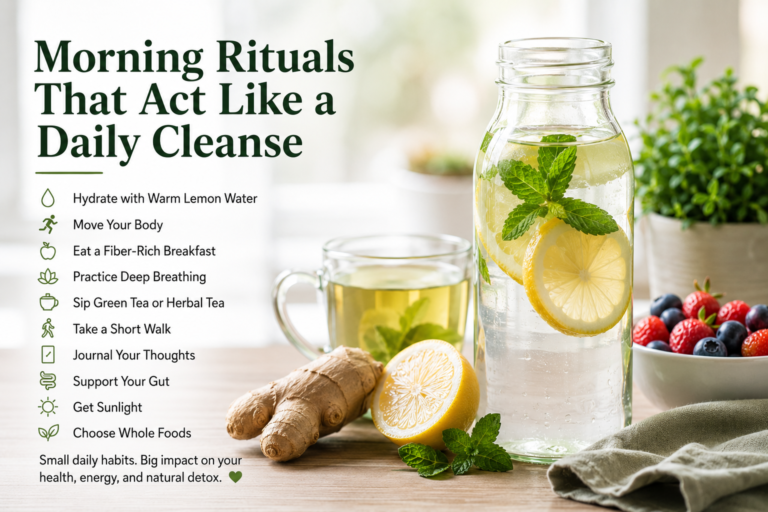
Instead of searching for a quick fix, consider building a daily routine that supports your digestive system.
Drink plenty of water.
Eat fruits and vegetables at every meal.
Increase fiber gradually.
Stay physically active.
Get enough sleep.
Manage stress.
These simple habits can provide lasting benefits for digestive wellness.
Colon Cleanse Final Thoughts
Colon cleanses remain popular because many people want to improve digestion, feel lighter, and develop healthier eating habits.
While certain cleansing programs may encourage positive lifestyle changes, long-term digestive wellness comes from consistency rather than extreme detoxes.
A balanced diet rich in fiber, plenty of water, regular movement, quality sleep, and mindful nutrition provides a strong foundation for supporting your body’s natural digestive processes every day.
Whether you are just beginning your wellness journey or looking to improve digestive health, focusing on sustainable daily habits is one of the most effective ways to support a healthy colon and overall well-being.