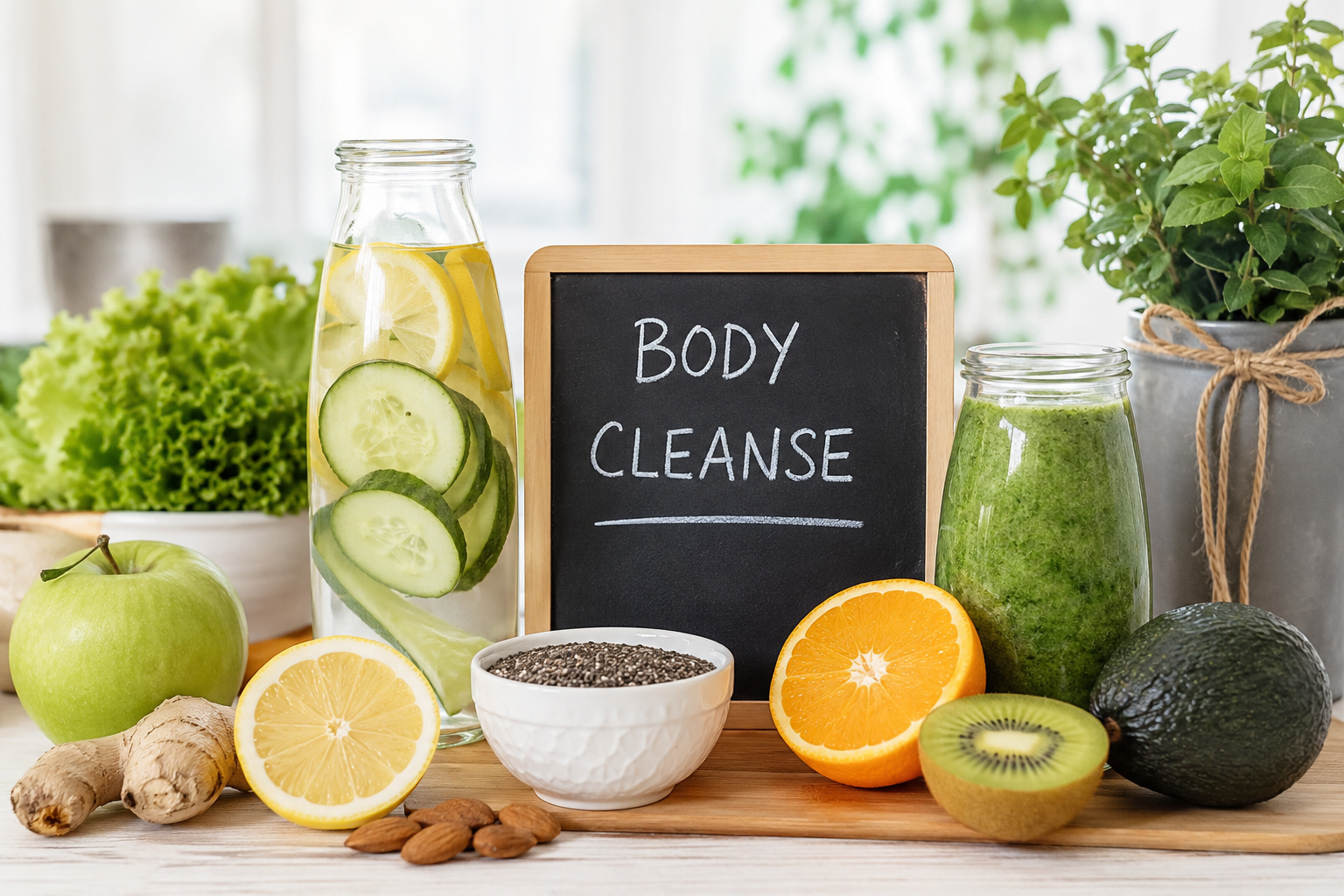
What Is a Body Cleanse? A Beginner’s Guide
What Is a Body Cleanse? A Beginner’s Guide
Every day, your body is exposed to food additives, alcohol, air pollution, medications, environmental chemicals, and the natural waste products created during metabolism.
Because of this, many people become interested in body cleanses and detox programs as a way to reset their health and improve how they feel.
But what exactly is a body cleanse?
Is it a juice fast? A supplement? A special diet? Or something your body already does naturally?
The answer is more nuanced than many advertisements suggest.
In this guide, we’ll explain what a body cleanse is, how your body’s natural detoxification systems work, the different types of cleanses available, their potential benefits and limitations, and how to choose an approach that supports your overall wellness.
What Is a Body Cleanse?
A body cleanse is a short-term program or lifestyle approach designed to support the body’s normal elimination processes through nutrition, hydration, fiber intake, physical activity, and healthy habits.
The goal is typically to:
- Support digestive health
- Promote regular bowel movements
- Encourage healthy eating habits
- Increase water intake
- Reduce highly processed foods
- Improve overall wellness
While many products claim to “remove toxins,” it’s important to understand that your body already has sophisticated systems responsible for filtering and eliminating waste.
Your Body Already Has a Built-In Detox System
Your body works around the clock to process and eliminate unwanted substances.
Several organs work together to perform this function.
Liver
The liver filters blood, metabolizes nutrients, processes medications, and converts many substances into forms that can be eliminated from the body.
Kidneys
The kidneys continuously filter waste products and excess fluids, which are removed through urine.
Colon
The large intestine absorbs water and eliminates solid waste while housing trillions of beneficial bacteria that contribute to digestive health.
Skin
Sweating helps regulate body temperature while allowing small amounts of waste products to leave the body.
Lungs
Every breath removes carbon dioxide, one of the body’s primary metabolic waste products.
Rather than replacing these systems, many cleansing programs aim to support their normal function through healthy lifestyle choices.
Why Do People Try a Body Cleanse?
People pursue cleanses for many different reasons.
Some common goals include:
- Feeling less bloated
- Improving digestion
- Increasing fiber intake
- Eating more fruits and vegetables
- Reducing processed foods
- Drinking more water
- Starting a healthier lifestyle
- Getting back on track after holidays or vacations
For many people, a cleanse serves as a structured reset that encourages healthier daily habits.
Common Types of Body Cleanses
There is no single definition of a body cleanse.
Several different approaches exist.
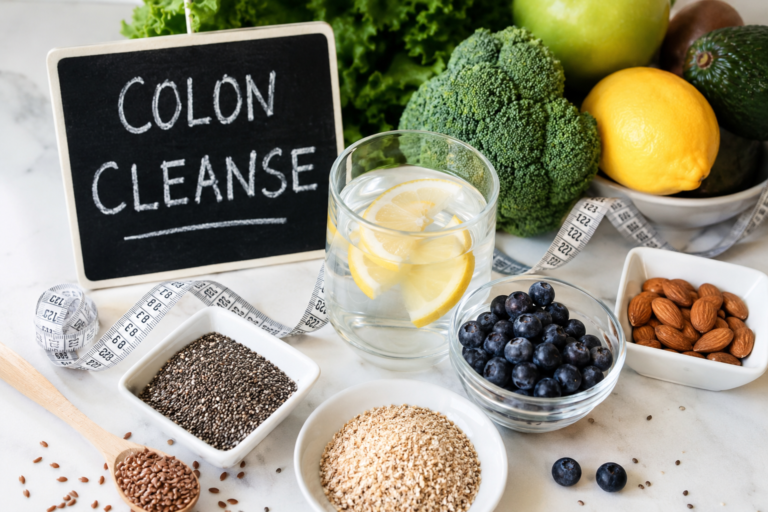
Colon Cleanse
A colon cleanse focuses on supporting digestive regularity through increased fiber, hydration, and certain supplements or herbal ingredients.
People often seek colon cleanses to address occasional constipation or feelings of sluggish digestion.
Liver Cleanse
Liver cleanses typically emphasize nutrient-rich foods, hydration, and herbs such as milk thistle or dandelion root that are traditionally associated with liver support.
Whole Body Cleanse
A whole body cleanse generally combines healthy eating, hydration, exercise, adequate sleep, and stress reduction into a comprehensive wellness program.
Juice Cleanse
Juice cleanses replace meals with fruit and vegetable juices for a short period.
While they may increase fruit and vegetable intake, they often provide less protein and fiber than whole foods.
Detox Diet
Detox diets usually eliminate alcohol, refined sugar, highly processed foods, and fast food while emphasizing whole foods and hydration.
Potential Benefits of a Healthy Cleanse
A well-designed cleanse that emphasizes whole foods and healthy habits may provide benefits such as:
- Increased fruit and vegetable consumption
- Better hydration
- Higher fiber intake
- Reduced consumption of processed foods
- Improved awareness of eating habits
- Better digestive regularity
- A renewed focus on healthy living
Many people also report feeling more energetic simply because they begin sleeping better, drinking more water, and improving their overall nutrition.
Common Myths About Body Cleanses
Myth #1: Your Body Stores Large Amounts of Toxins That Must Be Flushed Out
Healthy organs continuously process and eliminate waste products every day.
Most wellness experts agree that supporting these natural processes through healthy living is more beneficial than relying on extreme detox programs.
Myth #2: More Is Better
Long fasting periods or excessive use of laxative-based products may not be appropriate for everyone.
Balance and consistency are generally more sustainable than aggressive cleansing methods.
Myth #3: Cleanses Create Instant Weight Loss
Many people experience temporary weight changes due to water loss and reduced food intake.
Long-term health improvements come from sustainable nutrition and lifestyle habits rather than short-term programs.
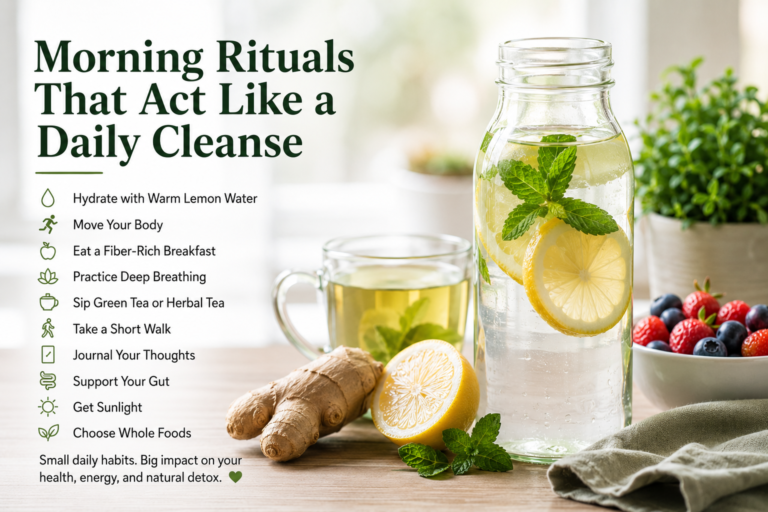
Natural Ways to Support Your Body’s Cleansing Systems
You don’t necessarily need an expensive detox program to support your body’s normal functions.
Simple daily habits can make a significant difference.
Drink Plenty of Water
Hydration supports digestion and normal kidney function.
Eat More Fiber
Fiber helps promote digestive regularity and supports a healthy gut microbiome.
Good sources include:
- Oats
- Apples
- Beans
- Chia seeds
- Flaxseed
- Vegetables
- Whole grains
Eat More Fruits and Vegetables
Colorful produce provides vitamins, minerals, antioxidants, and plant compounds that support overall health.
Stay Physically Active
Regular movement supports digestion and overall wellness.
Get Enough Sleep
Sleep allows the body to recover and maintain many essential biological processes.
Manage Stress
Chronic stress can affect digestion, eating habits, and overall health.
Who Should Talk to a Healthcare Professional Before Starting a Cleanse?
Certain individuals should consult a qualified healthcare provider before beginning a cleanse or detox program, including:
- Pregnant or breastfeeding women
- People with diabetes
- Individuals taking prescription medications
- People with kidney or liver disease
- Anyone with chronic digestive disorders
Personalized medical advice is always the safest approach.
Frequently Asked Questions
How long should a body cleanse last?
Many wellness programs range from three days to several weeks, depending on the approach and individual goals.
Can I eat during a body cleanse?
Many cleanses encourage eating whole, nutrient-dense foods rather than fasting.
Do body cleanses remove toxins?
Your liver, kidneys, digestive system, lungs, and skin naturally eliminate waste every day. Healthy eating and lifestyle habits help support these normal functions.
What’s the difference between a cleanse and a detox?
The terms are often used interchangeably. In general, a cleanse focuses on digestive wellness and nutrition, while detox may refer more broadly to supporting the body’s natural elimination systems.
Healthiest Cleanse
A body cleanse isn’t a magic solution or a quick fix.
Instead, it can serve as an opportunity to reset unhealthy habits, increase fiber and water intake, eat more whole foods, and support the body’s remarkable natural detoxification systems.
The healthiest cleanse is often the one that leads to long-term lifestyle improvements rather than short-term restrictions.
By focusing on balanced nutrition, hydration, movement, sleep, and digestive health, you can support your body’s natural processes every day—not just during a cleanse.